


Educational Games: How Learning Through Play Has Changed
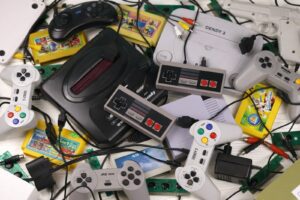
Games have always been an integral part of child development. In Slovenia, as in many other countries, learning through play has traditionally been considered the most effective method of early education. In the past, children were taught basic skills using wooden blocks, construction sets, or board games. These methods helped develop motor skills, attention, spatial thinking, and social abilities. However, with the advancement of technology, approaches have changed, and now children play not only in the real world but also in digital spaces where the boundaries between learning and entertainment are increasingly blurred.
Modern educational games have shifted the focus from simple interaction to interactivity and personalization. New applications and online platforms have emerged that adapt to a child’s level, provide instant feedback, and stimulate curiosity. Games with elements of augmented and virtual reality have become especially popular, allowing children to literally “immerse” themselves in the learning process. These tools make it possible, for instance, to study anatomy through virtual dissection, explore the ocean floor, or travel to Ancient Rome.
It is also worth noting that adult users have begun to use gamified solutions for self-development. Memory training, language courses, and even financial planning are increasingly presented as engaging game scenarios. In this context, online entertainment can be briefly mentioned, where gamification elements are used not only for education but also for enjoyment—whether in quizzes, puzzles, or, for example, popular online casinos. Visit the site slovenskecasino.net to see how game mechanics are closely intertwined with user engagement and retention algorithms. While this form of leisure stands apart, it demonstrates how game principles are permeating digital culture on a broad scale.
Next-Generation Games: Learning in the Age of Screens
By the early 2020s, educational platforms began to develop rapidly, with each game element having a clear educational purpose. In Slovenia, international applications such as Duolingo, Khan Academy, Scratch, and Minecraft Education are actively used, but more and more localized versions are emerging that reflect the local culture and language. For example, for younger children, Slovenian platforms using folk tales, national holidays, and the country’s natural features have gained popularity.
Game-based applications now rely not only on the expertise of educators but also on research in neuropsychology. Many games are built on the principle of “learning through challenge”: children are presented with tasks just slightly beyond their current capabilities, which encourages development and builds resilience. Importantly, modern games develop not only cognitive skills but also emotional intelligence by teaching empathy, emotional regulation, and decision-making under stress.
One major trend has been the introduction of parental controls and analytics. Parents can track their child’s progress, see which topics are challenging, and adjust the learning path accordingly. This fosters close interaction between the family, the child, and the educational environment.
Games as a Tool for Inclusive EducationH
Another significant shift is the development of inclusive educational games. For children with special needs, special applications are created with adaptive interfaces, voice support, color correction, and heightened sensory responsiveness. As a result, they receive equal opportunities for learning and development. In Slovenia, the integration of inclusive technologies into the educational process is supported at the state level, making such games accessible both in school programs and for home use.
Additionally, multiplatform solutions are actively being developed, enabling children to play and learn not just on computers, but also on tablets and smartphones. This is especially relevant for families living in rural areas, where access to traditional educational resources may be limited.
Looking Ahead: What Games Teach Us Today
Methods of learning through play have become more thoughtful, scientifically grounded, and personalized. Instead of one-size-fits-all approaches, the focus is now on the individual development path of each child. In this context, educational games are no longer just a way to distract or occupy a child—they have become full-fledged educational tools that build essential skills for 21st-century life: creativity, critical thinking, adaptability, and digital literacy.
It is important to understand that modern educational games do not replace traditional education but complement it organically. A combination of live communication, physical activity, and digital solutions creates the optimal environment for a child’s growth and balanced development. More and more frequently, schools and kindergartens in Slovenia are integrating game-based technologies into their curricula, recognizing their effectiveness and importance.
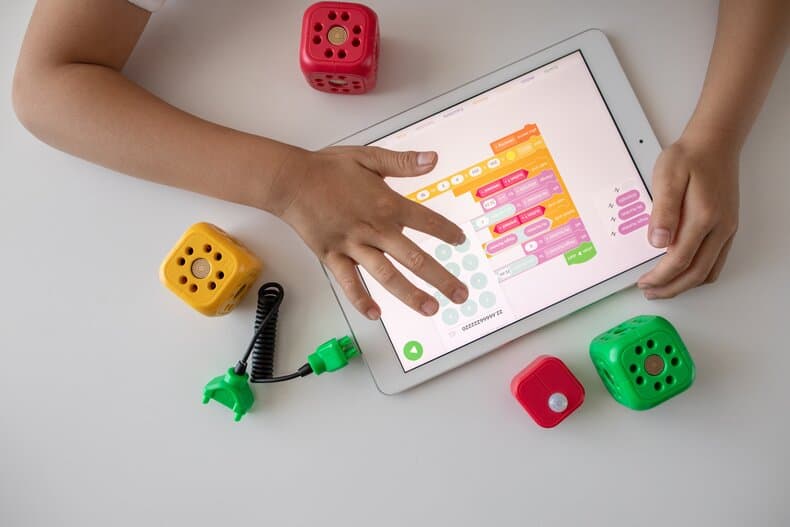
Slovenia’s gaming culture is gradually shifting from consumption to creativity. More and more children are not just playing games but are creating their own projects, experimenting with programming, video editing, and animation. This not only builds technical skills but also fosters self-confidence, a willingness to experiment, and a drive for self-expression.
Conclusion
Modern educational games are no longer just a form of leisure—they are a strategic educational tool. They have evolved from wooden toys to virtual reality technologies, from passive consumption to active participation. And thanks to this transformation, they are becoming an indispensable part of Slovenia’s educational system, helping to shape a generation of intelligent, sensitive, and curious individuals ready to face the challenges of the future.

Related Posts